If you happen to have spent a part of your childhood wishing you could possibly run with wild horses, you’re not alone. However you might have been alone when you joined the herd. Horses, it seems, are simply as cliquey as fifth-grade girls.
Horses are all over YA literature, utilizing their soulful eyes to connect deeply with children and different people. They gallop by means of the Saddle Club series, War Horse, and My Friend Flicka—all the way in which again to Black Beauty, which obtained a bounce on the style in 1877. A number of the protagonists of horse books are boys, however ladies are at all times the well-known horse lovers, whether or not they want the fictional or ride-able variety.
Why girls are so enamored of huge, indentured grazers is an open query. However even scientists aren’t immune. “As a toddler I used to like horses,” says Léa Briard, a graduate scholar on the Institut Pluridisciplinaire Hubert Curien in Strasbourg, France. “They have been my favourite animal.”
There are the mustangs of the American West, for instance, and horses in Australia known as brumbies. And, as anybody who’s read Misty of Chincoteague is aware of, herds of Chincoteague ponies reside on an island off the Maryland coast. (None of those are actually wild horses so much as feral horses. They’re descended from domesticated animals, like roaming bands of cats. True wild horses—animals by no means domesticated by people—are extinct apart from the endangered Przewalski’s horse, which appears like a chubby donkey and lives in Mongolia.)
Regardless of all these horsey societies operating round, scientists have principally studied the animals as they relate to people. Briard is extra fascinated by how horses make group choices. “Are you equally influenced by all of the members of your group, or do your folks have extra affect in your resolution?” she says.
So, to determine it out, Briard and her colleagues have been spying on horses. For a latest study, they spent 200 hours observing three dozen mares dwelling on a hilly pasture in France. They recorded all of the horses’ pleasant interactions (standing subsequent to one another), unfriendly interactions (biting, kicking), and actions (“Let’s be underneath that tree now”).
The scientists additionally assessed every horse’s persona. “Soulful gaze” wasn’t one of many traits they studied. However they did measure gregariousness: how a lot time did the horse spend standing close to others? Additionally they checked out fearfulness: how typically did the horse shy or get startled?
They noticed that the friendliest horses have been the most fearful. It sounds counterintuitive, however Briard says you may see the identical impact in sheep, fish, and birds. “The extra fearful you are, the extra time you spend near different people,” she says. In different phrases, horses that hang around by themselves are braver. In case your inside preteen loner needs to really feel smug about this, let her.
To Briard’s shock, the horses had been additionally very specific about their buddies. They like to spend time close to others with comparable personalities. Not solely that, however horses hang out near others with the same social rank.
Deciphering the social hierarchy of the herd wasn’t so simple as seeing which mares had the nicest hair. However the researchers figured it out by watching which horses ran away when others approached them aggressively. Larger-ranking horses additionally tended to be older.
Daring horses—the much less pleasant, braver mares—have been extra more likely to break free from the group and head for a brand new patch of grass. At any time when a horse struck out like this, her buddies (nonetheless uncool) have been among the many first to observe her.
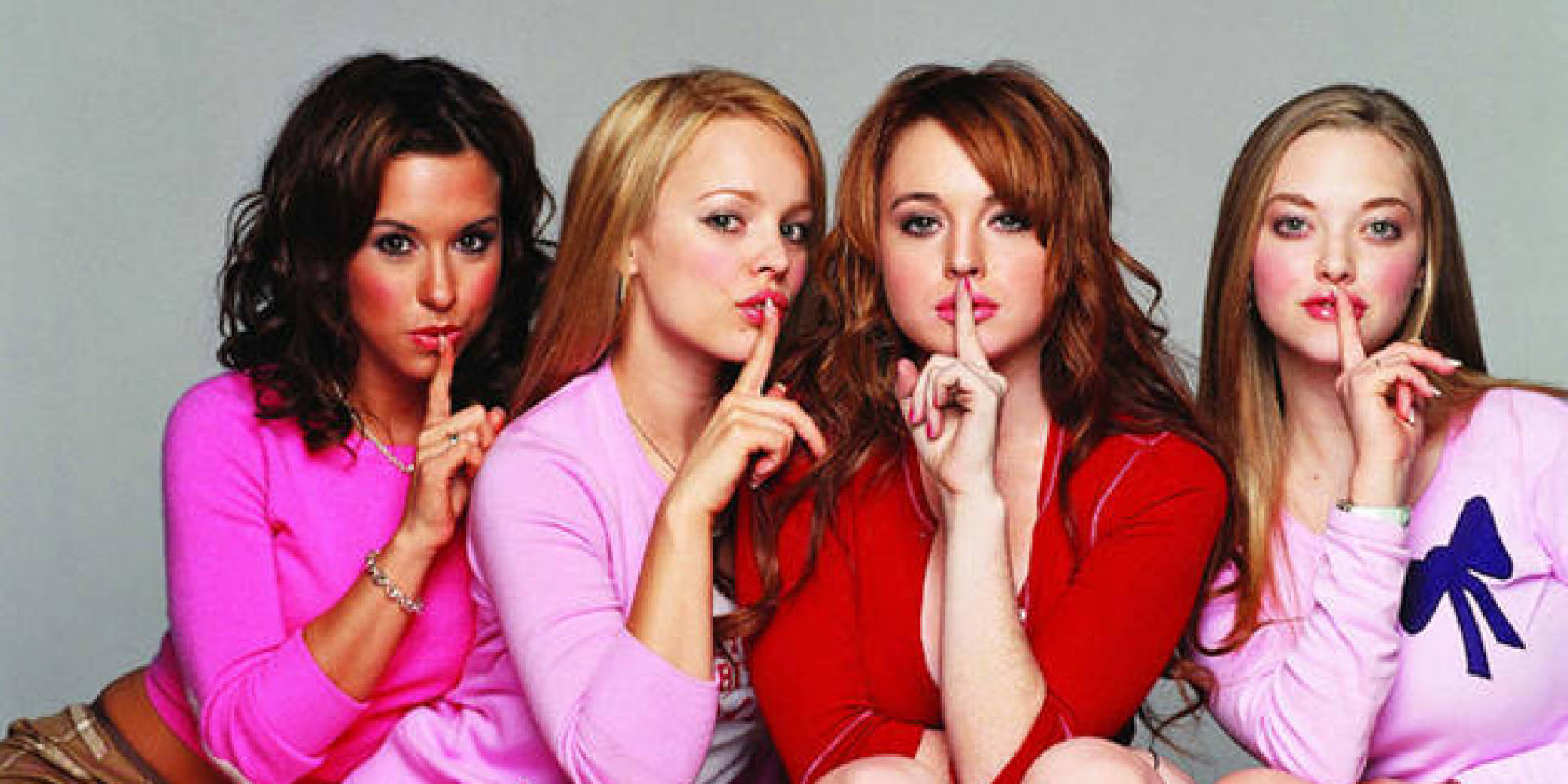
So a pasture of horses isn’t the paradise you may have imagined. The truth is it appears to be like rather a lot like a school cafeteria. There are cliques, fights, and tacit understandings of standing. Why do female horses hang around with others who match their rank and character? Why not construct a various buddy group? Briard says there are two doable explanations.
One is conformity. This implies the identical factor in animals as in folks: we modify ourselves to fit in. Scientists have seen conformity in forms of birds and even spiders. In people it protects us from social discomfort; blending in may also make an animal much less conspicuous to predators.
The opposite clarification is “homophily,” or loving what’s just like us. Rather than turning into more like those we spend time with, we search out a friend that’s like us from the start. Scientists have seen this impact in lots of animals together with chimpanzees, baboons, and—after all—people.
Evaluating the social tribulations of horses and schoolgirls is “not so foolish,” Briard says. However she factors out that navigating mean-girl politics isn’t simply a part of growing up as a lady. It’s key to life as a social animal.
“We, like horses, dwell in societies and need to work together every day with the identical people,” she says. So we face the identical challenges horses do: keep away from battle, make friends, attain consensus. Increased-ranking pals can stop us from pain, and can even benefit from us.
It’s essential to remain within the group, Briard says, however “with out dropping sight of your personal curiosity.” Sounds just like the plot of a YA e-book.